Strategic priorities
Our strategic priorities
As a leading foodvenience provider, we balance availability, quality, and the responsible use of resources every day. That’s why we focus on clear priorities: reducing food waste, lowering energy consumption and emissions, promoting more environmentally friendly and fairly sourced products, enabling healthier choices, and developing more sustainable packaging solutions. We implement targeted measures across these priorities and continuously evolve our sustainability efforts.
Food waste
Food waste
Demand-driven supply, giving surplus food a second chance.
In the food sector, we face the challenge of offering a wide range of fresh products with short shelf lives, such as baked goods, throughout the day and right up to store closing, without generating food waste. To meet this challenge, we take targeted measures across the entire value chain.
What we do in practice
-
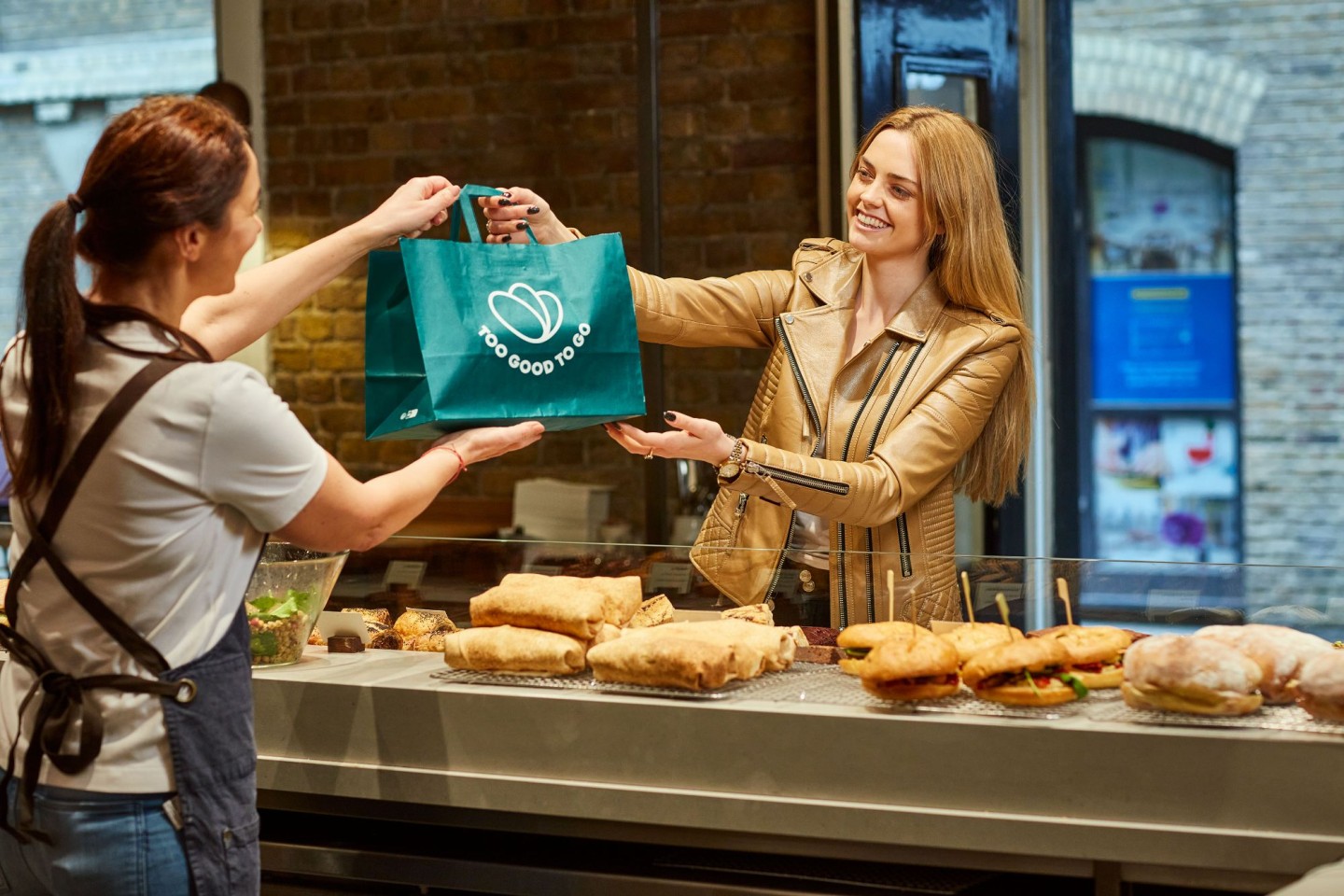
We rescue food together with you through Too Good To Go.
Via the Too Good To Go app, we offer food at a reduced price that is close to its best-before date, as well as fresh products that have not been sold shortly before store closing. In 2025 alone, around 735,000 surprise bags were saved across more than 1,100 points of sale in Switzerland, Germany, and the Netherlands.
-
We prevent the overproduction of food.
We manage production, ordering, and baking volumes based on demand and solid forecasts to avoid surpluses from the outset. This includes using factors such as sales history, weather forecasts, public holidays, and local events to inform our order planning.
-
We offer a second sales opportunity the following day.
Selected products are offered again the next day at a reduced price in our stores, depending on their shelf life and quality.
-
We collaborate with industry partners in the fight against food waste.
In Switzerland, Valora participates in a cross-industry agreement to reduce food waste. This initiative, supported by the Federal Office for the Environment and other stakeholders in the food sector, aims to halve avoidable food losses in Switzerland by 2030 compared to 2017 levels.
Energy
Energy
Use renewable energy, operate efficiently and reduce emissions.
Energy consumption in our retail outlets and production sites accounts for a large share of the emissions we can directly influence. We aim to reduce these emissions by consistently expanding the use of renewable energy and lowering our overall energy consumption.
What we do in practice
-
We improve our energy efficiency.
Through targeted measures in lighting, cooling, equipment, and employee training, we continuously improve our energy efficiency and work to reduce electricity consumption.
-
We rely on 100% renewable electricity.
We source 100% renewable electricity across all business units and franchise locations through guarantees of origin. As a result, we have reduced our operational and energy-related emissions by more than 50% since 2022.

Fair and more sustainable products
Fair and more sustainable products
Taking responsibility; from raw materials to the shelf.
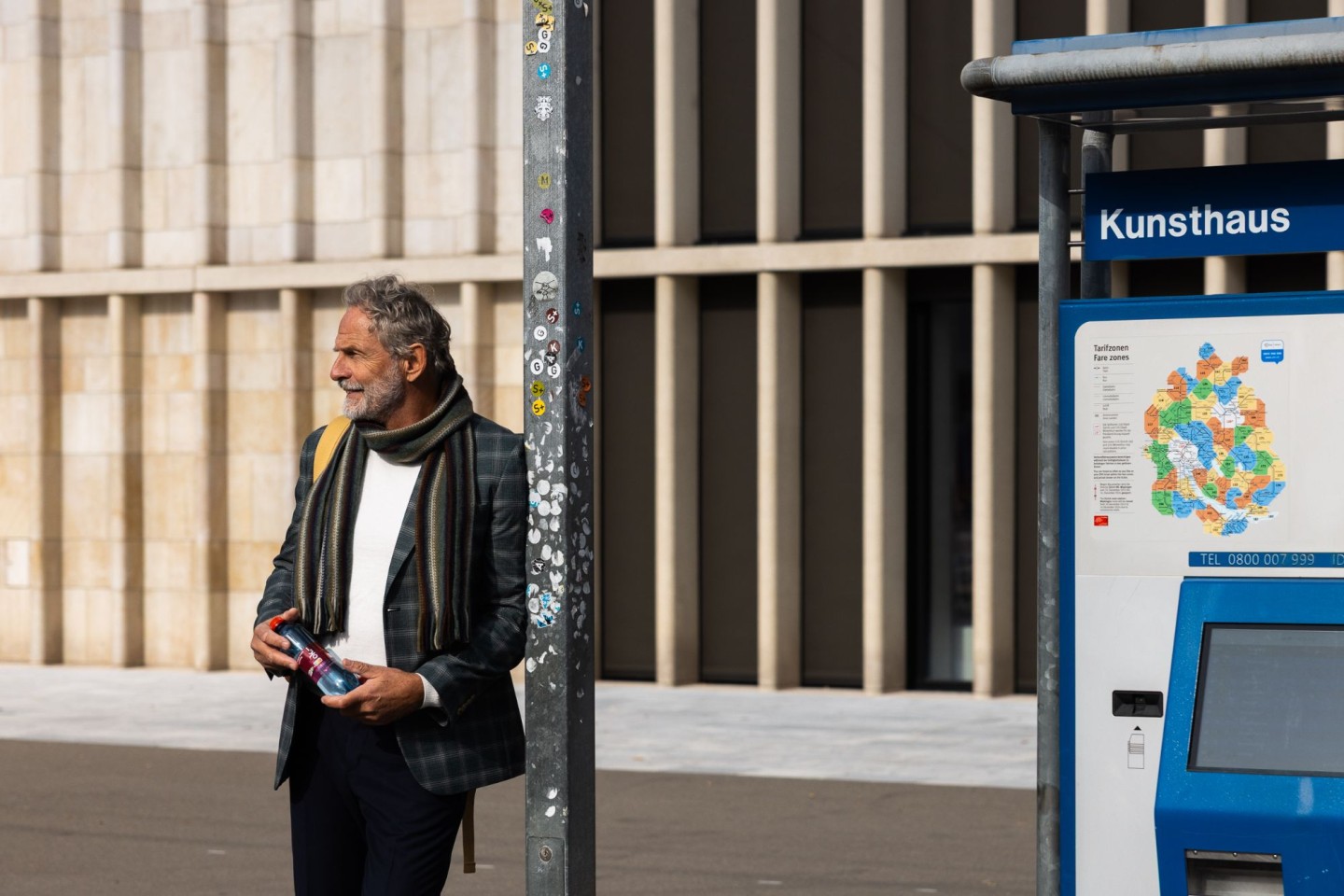
To act responsibly towards both the environment and society, we source our products from suppliers that meet recognized social and environmental standards.
What we do in practice
-
We prioritize certified products.
We focus on products with recognized social and environmental certifications that support fair working conditions and responsible production practices. For example, our private label to-go coffee is 100% certified by either Fairtrade or Rainforest Alliance. For to-go hot beverages from partner brands, we also rely on recognized certifications such as Fairtrade, Rainforest Alliance, and C.A.F.E. Practices for coffee, tea, and cocoa.
-
We meet human rights due diligence requirements.
We conduct an annual risk assessment of our suppliers to ensure compliance with labor and human rights standards. For raw materials or sourcing countries with elevated risk, we require additional verification, such as external assessments, certification with social labels, or social audits. Where needed, we initiate corrective actions and track their implementation. Our business partners commit to our Business Partner Code of Conduct, while our internal standards are defined in the Valora Code of Conduct. Further details are outlined in our Human Rights Policy and our annual statement on the implementation of human rights due diligence.
-
We are a founding member supporting more sustainable coffee and cocoa supply chains.
As a founding member, Valora actively supports industry initiatives that promote sustainable farming and responsible sourcing practices in coffee and cocoa supply chains.
The SSCP (Swiss Sustainable Coffee Platform) brings together stakeholders from the private sector, public institutions, and academia with the goal of making coffee production more sustainable and improving the livelihoods of farmers in producing countries.
SWISSCO (Swiss Platform for Sustainable Cocoa) pursues similar goals, focusing on promoting social and environmental standards in cocoa supply chains. We actively participate in both initiatives and work to increase transparency across our supply chains.
-
We promote plant-based milk alternatives.
We are expanding the availability of plant-based milk alternatives for hot beverages across our locations and are upgrading our coffee machines accordingly.
-
We reduce the carbon footprint of our products.
When developing recipes for our sandwiches, we calculate the carbon footprint of each recipe and identify opportunities to reduce emissions through alternative ingredients.
-
We make environmental impact transparent.
All our retail private label products carry the Eco-Score, making the environmental impact of our products clearly visible to our customers.
Health-conscious alternatives
Health-conscious alternatives
Increasing transparency and supporting plant-based options.
A large share of our products are consumed on the go. This makes it all the more important that balanced options are easy to identify, that a broad range of plant-based products is available, and that existing products continue to be improved with health considerations in mind.
What we do in practice
-
We promote more informed choices on the go.
A key milestone is the introduction of the Nutri-Score across all our retail private label products. It provides clear guidance and makes nutritional quality easy to understand at a glance. For our READY TO GO and convenience offerings in Switzerland, we aim to gradually improve the average Nutri-Score.
-
We expand plant-based food options.
We continuously grow our plant-based assortment, increasing the availability of healthier and more climate-friendly products.
-
We develop more balanced product alternatives.
We develop alternative products with a more balanced nutritional profile. These include lower-fat options, such as baked potatoes as an alternative to French fries at our Frittenwerk brand, as well as reduced-sugar products like ok.– Mate Zero.
Sustainable packaging

Sustainable packaging
More sustainable packaging through reduction, recycling, and responsible sourcing.
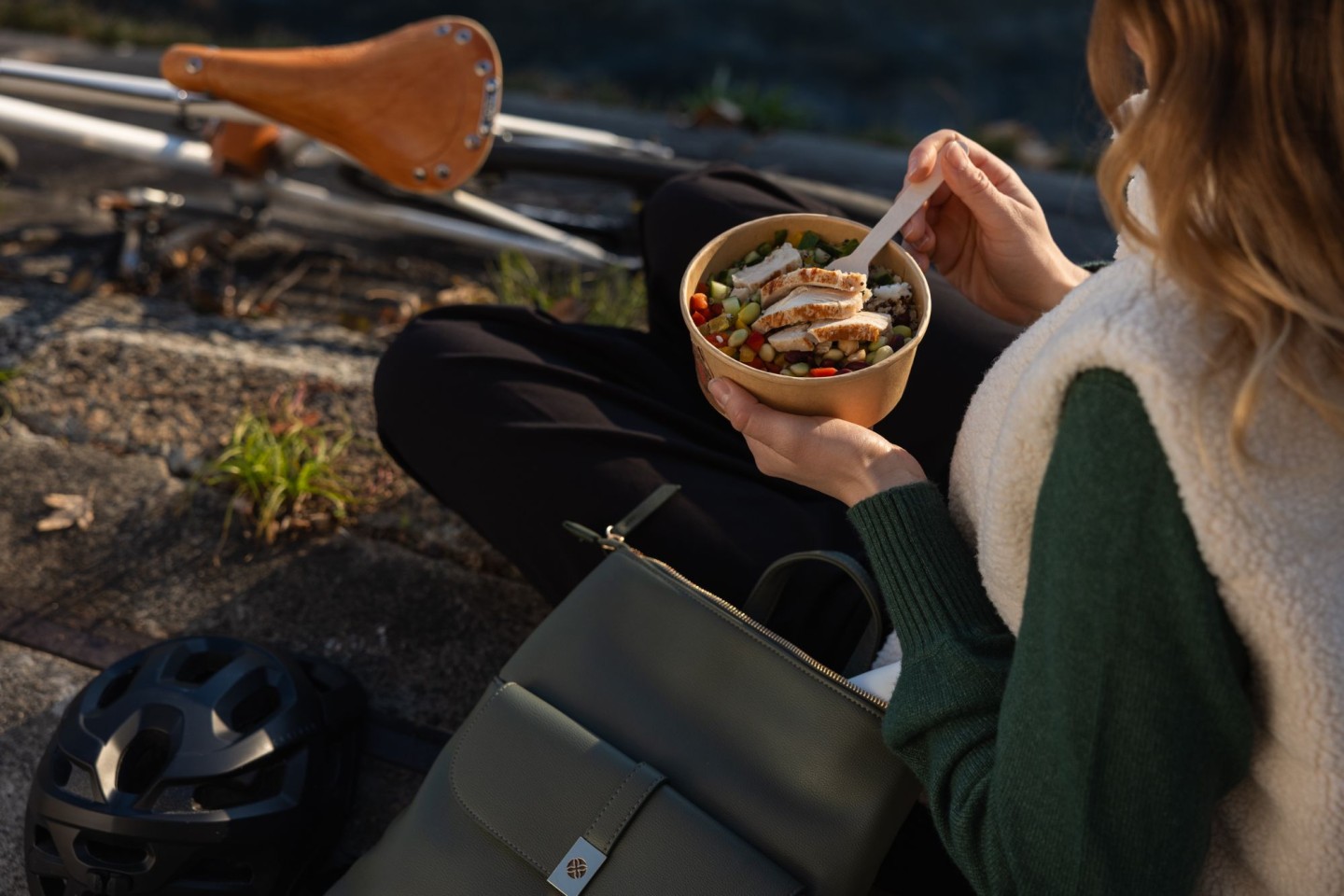
Packaging is essential in the foodvenience sector: it protects products, enables transport, and extends shelf life. At the same time, they are typically used only for a short time before being discarded. This leads to high resource consumption and creates challenges for both the environment and waste management systems.
What we do in practice
-
We reduce packaging materials.
Our packaging policy defines clear principles for more sustainable packaging. When making packaging changes, we assess how to reduce materials through redesign, improve recyclability, and source materials responsibly. One example is the switch of ok.– nuts from rigid plastic packaging to a pouch, reducing packaging weight and emissions by around 90%.
-
We increase recycled content in our bottles.
Wherever possible, we use packaging made from recycled plastics and continuously increase this share. Today, all PET beverage bottles under our private labels contain at least 50% rPET, with many already at 100%. Our goal is to reach at least 75% rPET across all our private label PET beverage bottles.
-
We incentivize sustainable cup choices
We encourage the use of reusable cups through a bonus system. Customers receive, for example, a discount or a size upgrade when purchasing a hot beverage in a reusable cup. The goal is to reduce waste and resource consumption from single-use packaging.
Fair working conditions
Fair working conditions
Our employees not only drive the execution of our business strategy, but also represent Valora externally – especially in our retail outlets.
Employee satisfaction is therefore of central importance. It shapes not only motivation, but also loyalty to the company. To maintain high levels of satisfaction, Valora ensures fair working conditions. HR teams across the individual business units focus on areas such as working hours, break policies, benefits, workplace safety, health promotion, diversity, equal opportunity, and compensation. Ensuring fair working conditions is also a shared responsibility and a key objective for all managers across the Valora network.
Talent and careers
Talent and careers
The modern workplace is constantly evolving, requiring both Valora and the employees across its network to remain flexible and adaptable.
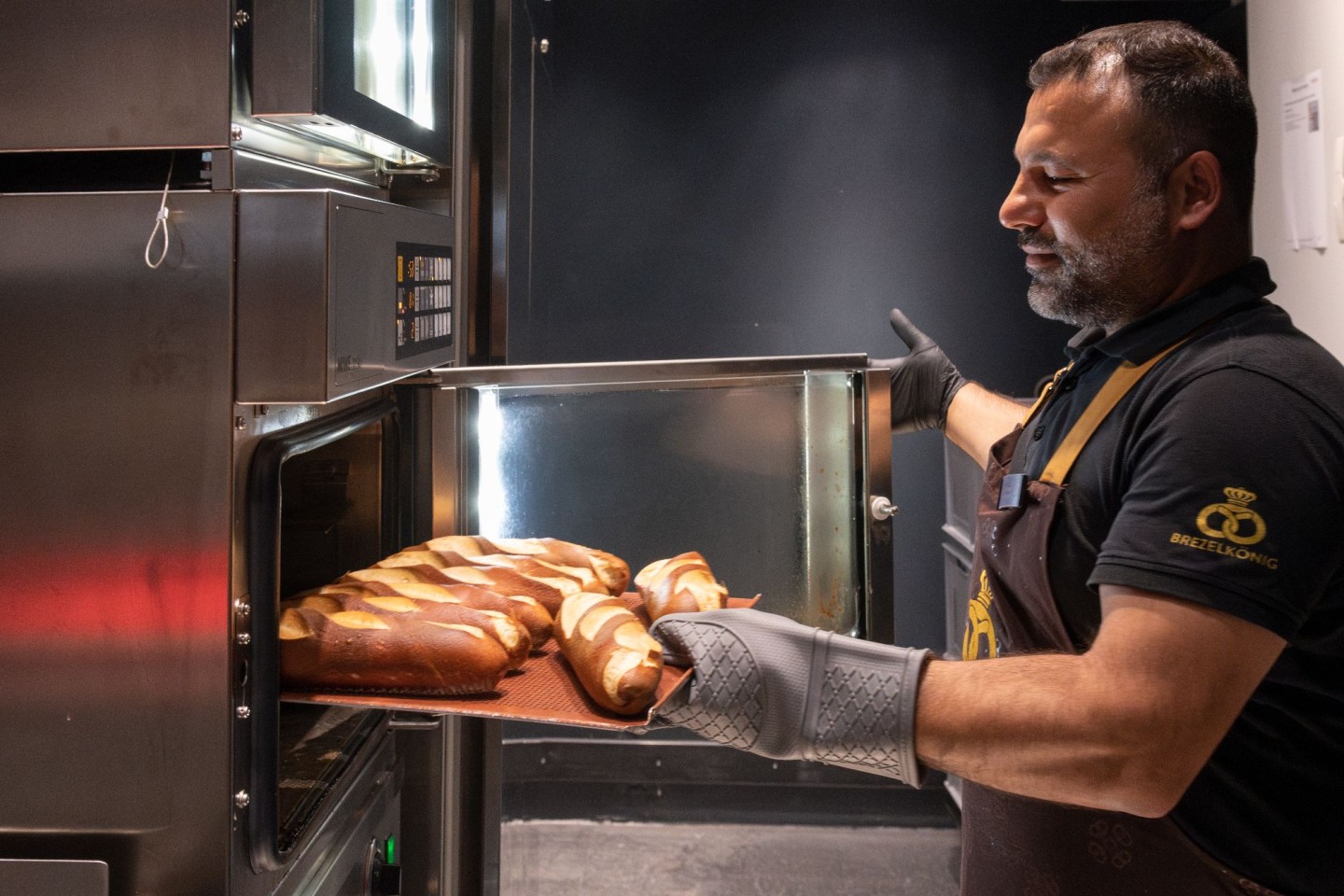
At the same time, newly acquired knowledge, skills, and qualifications have a positive impact on performance, motivation, and employability. Valora aims to offer attractive development opportunities to its employees, agency operators, franchise partners, and their staff, providing an environment that supports continuous, future-oriented growth. Training and development activities are managed within the individual business units by HR teams in close collaboration with operations teams.